EARTHENWARE
Low fire, thirsty body
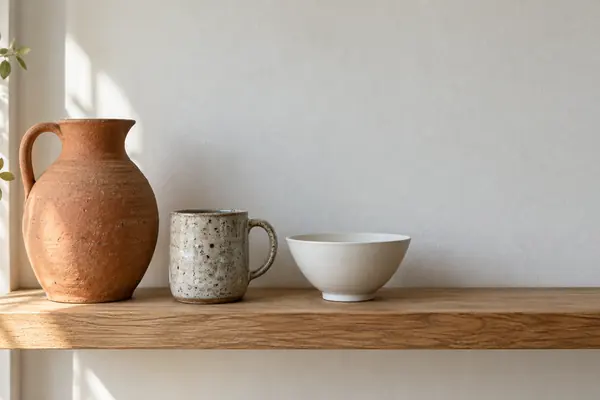
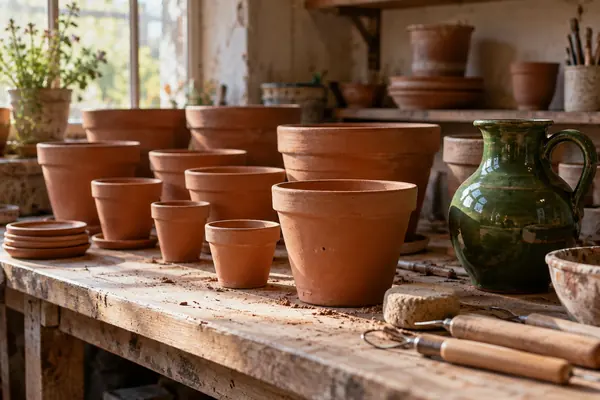
Fired at 650°C to 1000°C. Most earthenware vessels are not waterproof unless they are burnished or glazed and fired again.
Compare the wares doodlewares
HOW POTTERY WORKS
Same clay family, very different heat.
1300°C+ for porcelain
10,000+ years Age of the oldest ceramics found
Earthenware, stoneware and porcelain are sorted mainly by how hot they are fired. More heat makes a harder, less porous pot, which is why a terracotta flowerpot and a fine white cup behave so differently.
THE SHORT ANSWER
Firing temperature sets the type.
Clay recipe and glaze do the rest.
EARTHENWARE
Fired at 650°C to 1000°C. Most earthenware vessels are not waterproof unless they are burnished or glazed and fired again.
Compare the waresSTONEWARE
Fired at 1150°C to 1300°C, stoneware is harder and less porous than earthenware and is usually waterproof even without glaze.
How glaze differsPORCELAIN
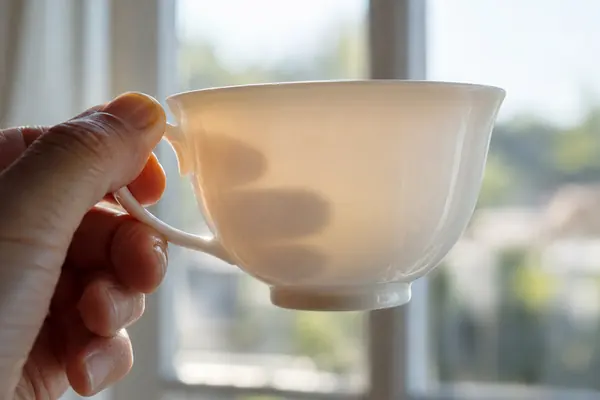
Porcelain is fired hottest of all. Bone china adds calcined bone ash, which gives it high translucency: light passes through even thick pieces.
See the numbersA QUICK WARE CHECK
Pick a type of pottery to see how hot it is fired and what that does to it. The bar shows firing temperature, from low to high.
Temperature ranges from the USC Pacific Asia Museum; bone china figures from the Museum of Fine Arts, Boston CAMEO database. Potters' own definitions vary.
FOUR CLUES TO LOOK FOR
Many pieces carry no maker's mark. These clues, drawn from museum and potters' guidance, help you work out what you are holding.
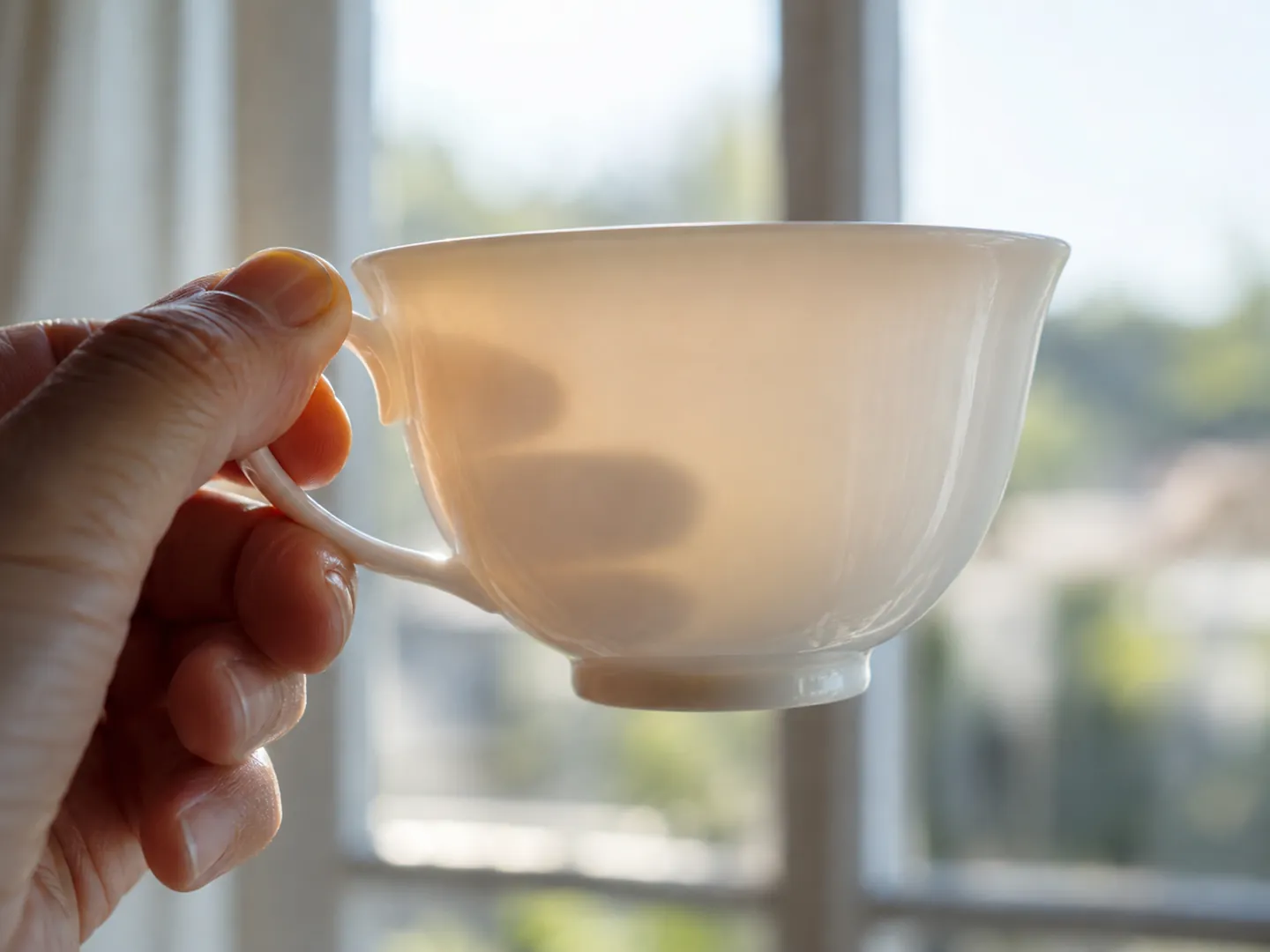
Light passes easily through even the thickest fragment of bone china, thanks to the calcined bone in its body.
Most earthenware is porous and not waterproof unless glazed. Stoneware is dense and vitreous, so it does not readily absorb moisture.
On earthenware the glaze sits on top as a separate glassy layer. On stoneware it melts into the body.
Earthenware is lighter, with a softer glaze that scratches and chips more easily than stoneware.
TWO NUMBERS WORTH KNOWING
One figure on how long people have fired clay,
one on what goes into bone china.
10,000+ years
Age of the oldest ceramics found
The USC Pacific Asia Museum says archaeologists have found ceramics dating back more than 10,000 years, and that these earliest pieces were earthenware.
THE FIRST CERAMICS · MUSEUM
50%
Bone ash in the standard recipe
Maryland's archaeological conservation lab gives the standard bone china formula as 25% china clay, 25% Cornish stone and 50% bone ash. MFA Boston puts bone ash at about 25 to 50 percent.
BONE CHINA · ARCHAEOLOGY LAB
Porcelain was first made in China in the 6th and 7th centuries AD and was exported as far as the Middle East. Bone china was developed in England; the name appeared around 1800.
WHY GLAZE BEHAVES DIFFERENTLY
At earthenware temperatures the glaze stays a separate glassy skin on the surface. That lower heat also keeps bright colours that would be lost in a hotter kiln.
In a stoneware firing the glaze melts into the body, and oxides in the clay combine with it. The result is tougher, more resistant to scratches and breakage, and generally vitreous, so it does not readily absorb moisture.
Questions
Mainly firing temperature. Earthenware is fired at about 650°C to 1000°C and is usually porous; stoneware is fired at about 1150°C to 1300°C and is harder, less porous and usually waterproof.
Potters often treat it that way. A UK clay supplier describes porcelain as a purified type of stoneware that is very white and free of oxide inclusions, fired at very high temperatures.
Porcelain was first made in China in the 6th and 7th centuries AD and exported widely. Its clay, kaolin, takes its name from the Gaoling Mountains in south-eastern China.
Kaolin with calcined bone ash, a white calcium phosphate powder from cattle bones. The standard formula is 25% china clay, 25% Cornish stone and 50% bone ash.
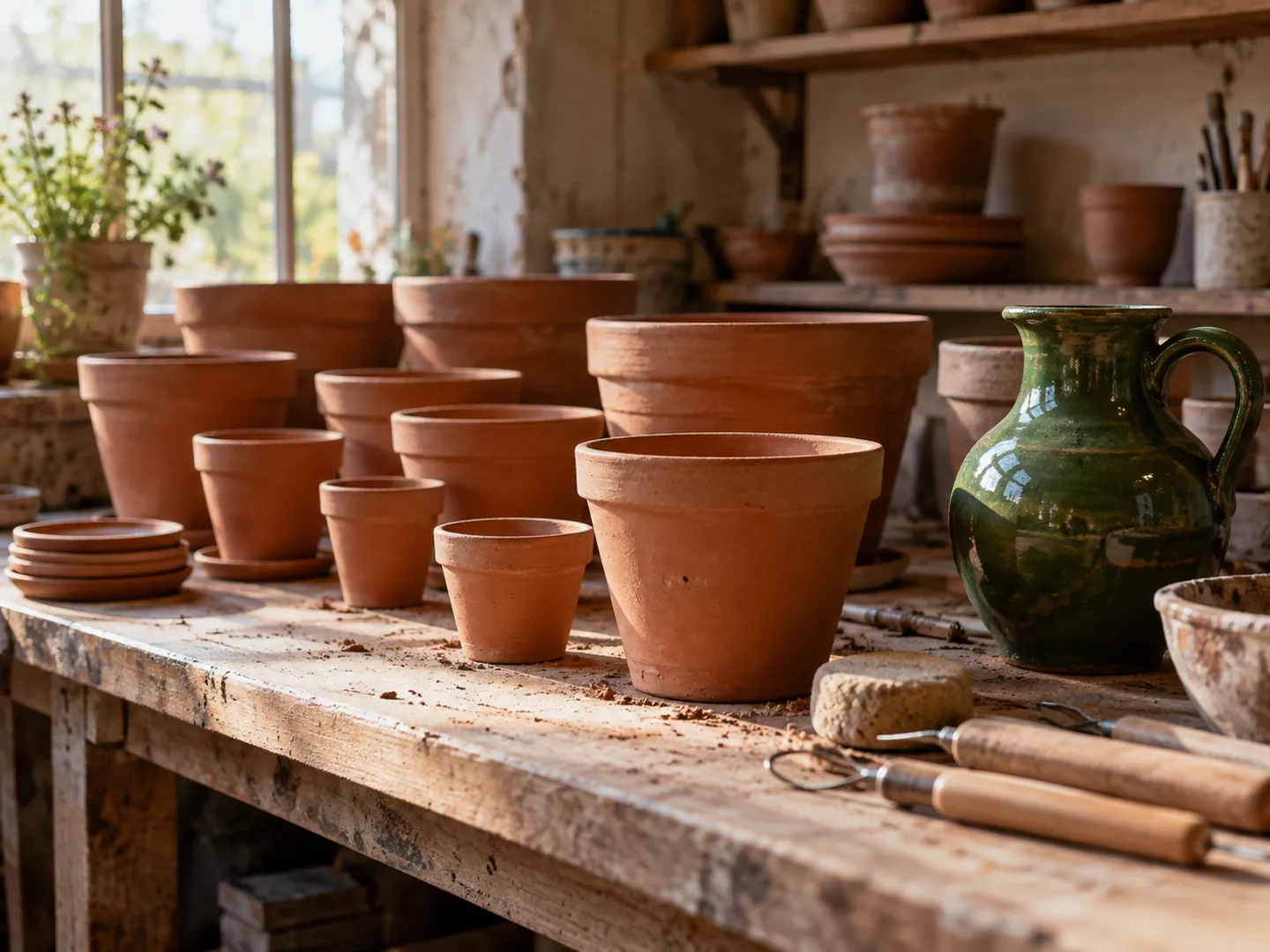
Low-fired earthenware stays porous. Potters close the pores by polishing or burnishing, or by applying a glaze and firing again. Stoneware is usually waterproof without help.
Updated
ABOUT THIS NAME
doodlewares.com is part of the DoodleSale portfolio. It isn't in an auction right now, but you can ask about leasing it.